
The Short Answer: Mini Crib vs Full-Size Crib
- A mini crib mattress typically measures 24 by 38 inches; a full-size interior runs about 28 by 52 3/8 inches, per CPSC data.
- The exterior frame of any crib is always larger than the mattress – measure the specific model, not just the mattress size.
- Tape the mini crib or full-size crib footprint on your floor and walk around it before ordering anything.
- Mini cribs can be outgrown sooner than full-size models; plan for an earlier transition if you go that route.
- Mini crib mattresses are a proprietary size and are not interchangeable with standard full-size crib mattresses.
Choosing between a mini crib and a full-size crib in a small apartment comes down to a few specific floor-plan inches. What follows covers the dimension comparison, the four measurements that predict fit, the tradeoffs each option carries, and a five-point checklist to run before ordering. The floor measurement, not the category label, is what decides it.
Full-Size vs Mini Crib: The Actual Dimensions
A typical mini crib mattress covers roughly 912 square inches of sleeping area; a full-size interior covers about 1,466 square inches, a gap of close to 38 percent based on CPSC-cited dimensions. Those figures come from the CPSC crib mattress FAQ and the federal mattress rulemaking record. Four inches narrower, about 14 inches shorter.
That size gap is barely noticeable for a newborn, but once a baby starts rolling and pushing around, the smaller surface becomes a real constraint.
These are interior, mattress dimensions only. The exterior frame is always larger. Rails, legs, feet, storage shelves, wheels, and conversion hardware all push the footprint out beyond the mattress area. How much depends entirely on the specific model, so check the manufacturer’s spec page for exact exterior dimensions before planning your room layout.
The table below shows the core dimension differences and the main tradeoff each one creates.
| Feature | Mini Crib | Full-Size Crib | Trade-off |
|---|---|---|---|
| Mattress width | ~24 in | ~28 in | Mini is 4 in narrower |
| Mattress length | ~38 in | ~52 3/8 in | Mini is about 14 in shorter |
| Mattress type | Proprietary size | Standard size | Mini harder to source replacements |
| Usable period | Shorter for many babies | Longer for most babies | Mini may need earlier transition |
| Exterior footprint | Smaller frame | Larger frame | Full-size needs more floor space |
| Delivery path | Shorter box | Longer box | Full-size harder in tight buildings |
Four Measurements That Determine Whether a Mini Crib Fits
Four measurements predict whether any crib fits your apartment: the adjusted floor rectangle, side lifting clearance, swing and vent clearance, and the full delivery path. Run all four before ordering either crib type.
The first measurement is the available floor rectangle. Find the open floor space in the room and subtract the depth of any baseboard, the swing radius of closet doors, the depth of dresser drawers when fully open, and the clearance a baseboard heater or heating vent needs. That adjusted rectangle is what the crib exterior must fit inside with room remaining on at least one long side.
The second measurement is lifting clearance beside the crib. You’ll stand beside it and lift a baby over that rail every night, every nap. A common rule of thumb is at least 24 inches of unobstructed floor alongside the long side. Measure that specific gap before deciding on a placement and before assuming a smaller crib frame automatically solves the problem.
The third measurement is swing and vent clearance. Work through every door, drawer, and vent near the planned crib location. Closet doors, dresser drawers, baseboard heaters, and door handles can land exactly where the crib rail sits. Sketch the room, mark where things open, and make sure nothing collides with the crib frame.
The fourth measurement is the delivery and access path. Many apartments have a narrow building entrance, a tight elevator door, a hallway corner, or a 32-inch apartment door that limits the box size you can get through. Measure the full route from the building entrance to the room before you order. Some full-size crib boxes run close to 55 inches along the longest side, which can be impossible to angle through a hallway narrower than about 42 inches. Mini crib boxes are typically shorter and lighter, which helps in tight buildings, but confirm the specific box dimensions with the retailer before you assume.
Tip: Use painter’s tape to mark the exact exterior footprint of the crib on your floor before ordering. Walk around it and open every nearby door. Then reach your arms down into the taped rectangle as if lifting a baby. That ten-minute test catches most layout problems before they cost you a return shipment fee.
Tradeoffs When You Choose a Mini Crib
A mini crib’s main advantage is a smaller floor footprint; its main tradeoffs are a shorter usable period and a proprietary mattress size that’s harder to replace. Both factors affect the total cost of the choice.
The frame is lighter and shorter. It moves through tight spaces more easily, and some models have wheels or fold down for compact storage in an unusually small room. In a room-sharing setup where the crib sits alongside your bed, those saved inches mean something at two in the morning.
The main tradeoff is usable time. Many babies outgrow a mini crib before they would a full-size model, because the shorter sleep surface becomes limiting before the weight limit does. A baby who grows tall quickly may run out of mattress within the first year. The AAP infant sleep guidance focuses on a firm, flat surface that fits the crib properly, so once a baby outgrows the sleep surface, it’s time to transition regardless of crib type.
The second tradeoff is mattress access. Mini crib mattresses are a proprietary non-standard size, approximately 24 by 38 inches. Finding a replacement or a firmer option as the baby grows means searching by the exact crib model. Standard full-size mattresses are sold everywhere; the mini crib equivalent is not. Confirm that at least two independent sources carry the specific mattress for your chosen crib before you commit to that model.
Third, conversion options vary more than the marketing suggests. Some mini cribs convert to a toddler bed, but the proprietary mattress size stays with the conversion. Check the specific model’s conversion kit availability and the mattress required for conversion before treating that feature as a deciding factor.
When a Full-Size Crib Still Works in a Small Apartment
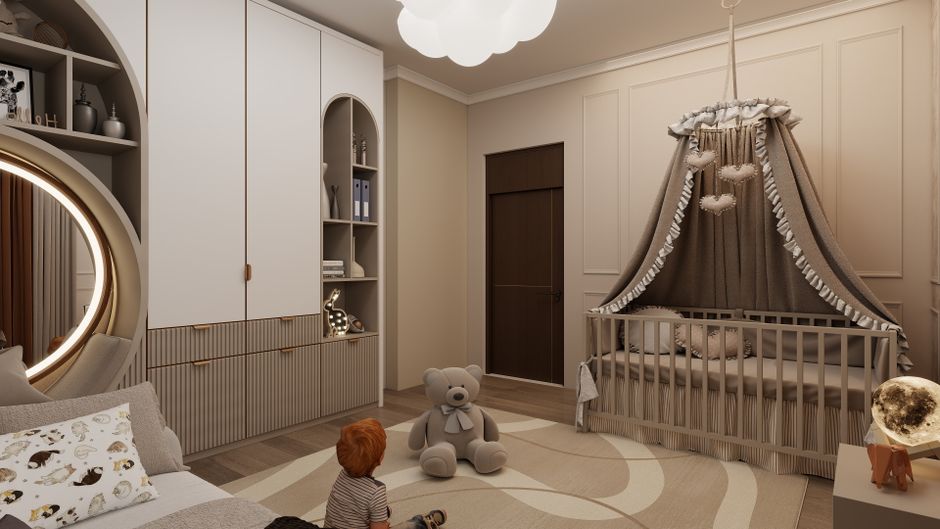
A full-size crib works in a small apartment when the tape test confirms the exterior footprint fits the room with safe lifting clearance on one long side and the delivery path is navigable. The longer mattress, defined by the CPSC full-size crib standard at approximately 52 3/8 inches, gives a sleep surface that most babies use comfortably through the first two years. That longer usable period often justifies the larger floor footprint.
Standard crib mattresses, at the widely available 28 by 52-inch size, are sold at almost every baby and big-box retailer. If a mattress needs replacing or you want a firmer option as the baby grows, finding the right size is easy at multiple price points. That matters when you’re budgeting across the full first year.
Full-size cribs also have more conversion paths. Many models convert to toddler beds, daybeds, or full beds using standard parts, with mattress replacements staying in a widely available size. If the room supports the frame, a full-size crib usually gives you more options down the road from the same purchase.
Before You Order: The Apartment Checklist
These five checks work for either crib type. Each is pass or fail. One fail on the room check means the larger option doesn’t fit; one fail on the access path means the crib can’t reach the room regardless of its size.
- Floor rectangle test: Tape the crib’s exterior dimensions on the floor. Can every nearby door and drawer open fully without touching the tape? Pass or fail.
- Lifting clearance test: Stand inside the taped rectangle and reach down. Is there at least 24 inches of clear floor beside you? Pass or fail.
- Swing and vent test: Do all closet doors, dresser drawers, baseboard heaters, and door handles clear the crib frame at every position? Pass or fail.
- Delivery path test: Does the longest dimension of the shipping box fit through the building entrance, elevator, and apartment door? Pass or fail.
- Mattress availability test: Can you find at least two independent sources for the mattress the specific crib requires? Pass or fail.
Tip: The exterior crib dimensions are almost never on the retail listing page. Search the brand name and model number plus the word “specifications” to find the manufacturer’s spec page, which is the only reliable source for exact exterior measurements.
Key Takeaways
- A typical mini crib mattress is roughly 4 inches narrower and 14 inches shorter than a full-size interior, amounting to about 38 percent less sleeping surface based on CPSC-cited figures.
- The exterior crib frame adds more inches beyond the mattress footprint; pull exterior dimensions from the manufacturer’s spec page, not the retail listing.
- Four room measurements predict fit: the adjusted floor rectangle, side lifting clearance, swing and vent clearance, and the full delivery path from building entrance to room.
- Choosing a mini crib gives a smaller footprint but brings a proprietary mattress size with fewer replacement sources and a potentially shorter usable period.
- Choose a full-size crib when the tape test passes on both room fit and delivery access; you gain standard mattress availability and a longer usable period from the same frame.
- A single fail anywhere in the five-item checklist means that crib type does not work for your specific apartment – run all five before ordering.
The floor tape test is the most honest tool in this decision. It costs nothing and takes about ten minutes. And it uses your actual room, your actual hallway, and how you’ll actually move around at two in the morning, not anyone else’s floor plan. Whether the tape fits a full-size frame or only a mini crib, that answer belongs to your apartment and can’t be borrowed from somewhere else. Getting the measurement right before you order is the one preparation that never needs a return label.
Frequently Asked Questions
- How much smaller is a mini crib than a full-size crib?
- Per CPSC standards, the full-size interior runs approximately 28 by 52 3/8 inches while the mini crib mattress runs approximately 24 by 38 inches. That 4-inch width gap and 14-inch length gap works out to roughly 38 percent less sleeping surface. A newborn barely notices, but once a baby starts moving around, the smaller surface becomes a real constraint.
- Will a mini crib fit in a small apartment bedroom?
- It depends on the room’s exact floor plan, not its overall square footage. Tape the crib’s exterior dimensions on the floor, verify at least 24 inches of side clearance for lifting a baby, and confirm the building access route is passable. Some compact rooms hold a full-size frame just fine; others can barely fit a mini crib with safe reach clearance on one side.
- How long can a baby use a mini crib?
- Most babies can use a mini crib until they reach the weight or length limit the manufacturer specifies for that model. A baby who grows tall quickly may run out of sleep surface before hitting that limit. Many families find they transition to a toddler bed earlier from a mini crib than they would from a full-size model, so factor that into your planning timeline.
- Can I use a regular crib mattress in a mini crib?
- No. A standard full-size mattress measures roughly 28 by 52 inches and won’t fit a mini crib frame, which is built for a proprietary mattress of approximately 24 by 38 inches. A mattress that doesn’t fit the crib frame is a safety hazard; always use the size specified for the exact crib model you own.
- What measurements should I take before buying a crib?
- Take five measurements: the open floor rectangle after accounting for door and drawer swings; at least 24 inches of side clearance beside the planned crib location; the swing radius of every nearby closet door, drawer, and vent; the narrowest point of the delivery route from building entrance to room; and the exterior frame dimensions from the manufacturer’s own spec page for the specific model.
This article is for informational purposes only and does not replace professional medical advice. Always consult your pediatrician about your child’s health.