The Short Answer
- No paid childcare: $12,000-$15,000 for the year (PocketGuard, 2026) – roughly $1,000-$1,250 a month.
- Moderate budget with some childcare or higher gear spending: $17,124-$29,419 (BECU, 2025).
- Full-time infant care in the picture: $20,000-$50,000 (Healthline, 2026) – childcare is the single biggest swing.
- Diapers alone: roughly $1,000 in brand-name disposables for year one, per the AAP.
- Hospital and delivery bills sit outside all of these figures and vary by insurance plan.
Childcare arrangement is the single variable that reshapes a first-year baby budget more than any other. Whether a family needs full-time infant care, some partial coverage, or no paid care at all determines a cost range spanning tens of thousands of dollars. Three planning ranges follow by childcare situation, along with a monthly breakdown of where the money goes and a guide to what’s worth skipping or buying used.
How Much Does a Baby Cost in the First Year? Three Ranges by Childcare Situation
Childcare situation is the single most important variable in a first-year baby budget, shifting the total by tens of thousands of dollars. BECU modeled the same period using USDA data adjusted for inflation, producing a range that reflects families with partial childcare, higher healthcare costs, or more new-gear purchases.
LendingTree’s 2026 figure of $29,325 represents a middle-income family’s average annual child-related spend. BabyCenter’s 2025 estimate lands at $20,384. The wide gap between sources isn’t a data problem. It reflects real differences in markets and care arrangements.
| Scenario | Annual range | Monthly equivalent |
|---|---|---|
| No paid childcare (PocketGuard, 2026) | $12,000-$15,000 | $1,000-$1,250 |
| Moderate or partial childcare (BECU, 2025) | $17,124-$29,419 | $1,427-$2,452 |
| Full-time infant care (Healthline, 2026) | $20,000-$50,000 | $1,667-$4,167 |
None of these figures include hospital and delivery bills. Those vary enormously based on insurance coverage, delivery type, and whether complications arise. Budget for them separately using your plan’s out-of-pocket maximum.
Where Does First-Year Baby Money Go Each Month?
Diapers are the most predictable recurring cost: the AAP estimates roughly 3,000 disposable diapers in the first year, with brand-name products averaging close to $0.30 each, totaling around $1,000 before wipes and rash cream, which works out to about $83 a month in diapers alone. Store-brand diapers cut that number noticeably without much difference in performance for most babies.
Breastfeeding isn’t automatically free. A breast pump, storage bags, bottles, and nipple cream add costs from day one, and lactation consultant visits (which often run into the hundreds of dollars per session) can add up fast for families who need extra support. For formula feeding, the AAP recommends comparing formula prices by calculating cost per prepared ounce rather than container price, since yield varies significantly.
Clothing costs catch many families off guard because babies outgrow sizes fast. Buying mostly 3-month and 6-month sizes rather than stocking up on newborn reduces waste. Healthcare out-of-pocket costs (copays for well-child visits, sick visits, and specialist referrals) depend entirely on your plan and add up throughout the year.
| Category | Monthly low estimate | Monthly high estimate |
|---|---|---|
| Diapers (brand-name disposable, per AAP) | $83 | $100 |
| Wipes and diapering supplies | $20 | $35 |
| Feeding supplies or formula | $60 | $200 |
| Clothing | $15 | $50 |
| Healthcare out-of-pocket | $30 | $150 |
Tip: Check whether your insurance plan covers a breast pump at no cost before you buy one – many plans are required to cover it under the ACA.
How Much Does Infant Childcare Cost, and Why Does It Change the Total So Much?
Full-time infant care in many US markets costs substantially more than any other single budget category, making it the line item that most reshapes a first-year baby budget. An NIH childcare survey found pricing at NIH-sponsored facilities in the $1,001 to $1,100 per month range, an illustrative benchmark rather than a national average. A 2025 study on infant-care affordability published in PubMed Central documents substantial variation across care settings, with some families paying far more depending on location and care type.
The form of care matters as much as whether care is used at all. A licensed daycare center, a family daycare home, a nanny share, and a full-time nanny all carry different price points and very different availability timelines. In many cities, infant care waitlists run 6 to 12 months. Families who start looking after the baby arrives may find nothing open until the child is closer to toddler age. Getting on waitlists before the birth matters more than almost any other financial step for families who will need childcare.
Even partial childcare (two or three days a week for six months) shifts the annual total by several thousand dollars. That’s why the planning ranges in this article show such a wide spread. Your specific situation is more useful to know than any national average.
What Baby Items Can You Skip, Borrow, or Buy Used?
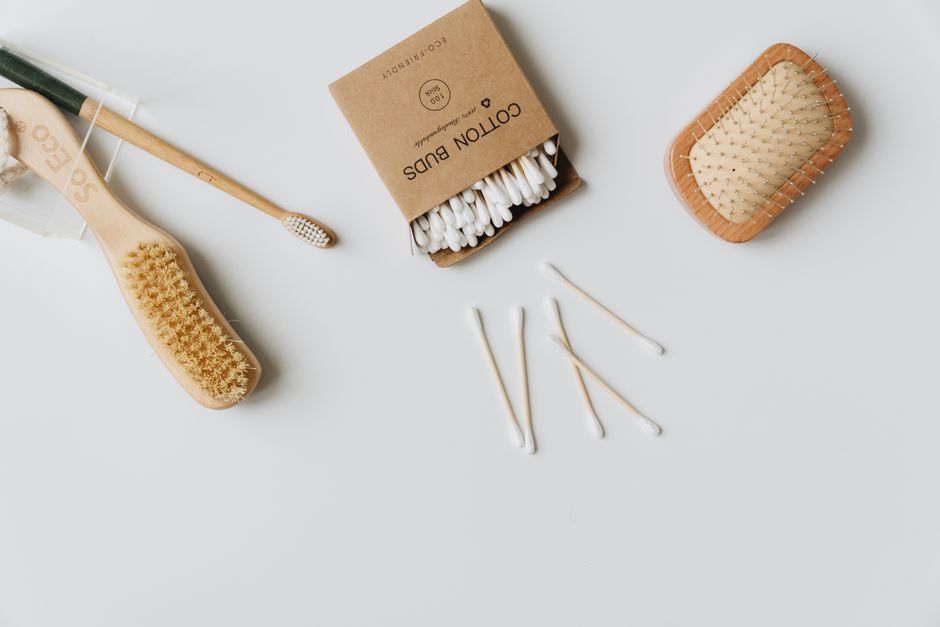
Three items are safe to skip entirely: wipe warmers (a wipe reaches body temperature in seconds on its own), a dedicated changing table (a waterproof changing pad on a dresser handles the same job), and a bottle sterilizer (a dishwasher’s hot cycle or boiling water works and costs nothing extra).
Clothing, strollers, bouncers, and baby carriers are strong candidates for secondhand purchase. Babies outgrow clothing before it wears out, so secondhand baby clothes are often in excellent condition. The main categories to buy new are items with safety standards tied to manufacturing date. Car seats have expiration dates and should be purchased or verified with care. For everything else, secondhand is a practical default.
The other practical strategy: stock only the first 8 weeks and stop. Gear that seems essential on a registry often goes unused once a specific baby arrives with specific preferences. Buying after you know what your baby responds to saves money and clutter.
Tip: Skip the full nursery furniture set and start with a safe sleep surface, a dresser, and a chair. Add other pieces only if you find you actually miss them after a few weeks home.
Pre-Birth Financial Checklist: 6 Steps Before Your Due Date
Reviewing your insurance plan’s out-of-pocket maximum before birth is the most important financial step you can take. Delivery bills, the newborn’s first hospital stay, and early well-child visits all hit within weeks of each other. Your plan’s ceiling tells you the worst-case number for medical costs in those first months, separate from ongoing baby-gear spending.
If your employer offers a dependent care flexible spending account, enrolling before your baby arrives lets you pay for qualifying childcare expenses with pre-tax dollars. For formula cost planning, the AAP’s guidance on comparing formula prices by prepared ounce is the most practical tool. A container that looks cheap per ounce on the shelf may yield less prepared formula than a higher-priced alternative. Families struggling to afford feeding for a baby under 12 months should contact their pediatrician, who can connect them with assistance programs.
For long-term perspective, the USDA Expenditures on Children by Families report is the standard reference for child-rearing costs. It projected $233,610 to raise a child born in 2015 to age 17. That figure covers nearly two decades, not the first year, but it’s worth keeping in mind if you’re thinking past the newborn stage.
- Check your insurance plan’s out-of-pocket maximum before your due date.
- Research infant care options and get on waitlists as early as possible. Many fill 6 to 12 months out.
- Enroll in a dependent care FSA if your employer offers one.
- Compare formula prices by prepared ounce, not container price (AAP recommendation).
- Set a secondhand-first default for clothing, strollers, and non-safety gear.
- Buy for the first 8 weeks only and add gear based on what your specific baby needs.
Key Takeaways
- When paid childcare is not a factor, first-year spending typically lands between $12,000 and $15,000 (PocketGuard, 2026), with gear and recurring feeding costs as the main drivers.
- Full-time infant care is the cost that reshapes the budget most – Healthline (2026) estimates $20,000 to $50,000 annually once it is included, depending on location and care type.
- Brand-name diapers run close to $0.30 each; at the AAP’s estimate of 3,000 diapers in year one, that is roughly $1,000 in diapers alone – store brands cut that noticeably.
- Breastfeeding is not automatically free – pumps, storage supplies, and lactation support are real costs that belong in the budget.
- Hospital and delivery bills are separate from baby-gear spending and should be budgeted using your insurance plan’s out-of-pocket maximum.
- Buying used gear, stocking only the first 8 weeks, and skipping low-use items like wipe warmers can reduce first-year spending by hundreds of dollars.
Conclusion
Two decisions move the first-year baby total more than anything else: your childcare arrangement and your insurance out-of-pocket cost. Price infant care in your market before your due date. It takes the longest to arrange and has the longest waitlists. Pull your insurance plan’s out-of-pocket maximum so you know the realistic ceiling for delivery and early well-child visit costs before you assign a number to that line. Once those two anchors are set, diapers, feeding, gear, and clothing fill in with reasonable estimates and a secondhand-first default. The families who feel most prepared in the first year aren’t the ones who spent the most. They’re the ones who knew which costs were coming and had a plan for each one.
Frequently Asked Questions
How much does a baby cost in the first year without daycare?
Without paid childcare, a baby’s first year typically costs $12,000 to $15,000 (PocketGuard, 2026), roughly $1,000 to $1,250 per month. That monthly total breaks down to approximately $83 for brand-name diapers, $20 to $35 in wipes and supplies, feeding costs, occasional clothing, and healthcare copays.
What is the biggest first-year expense for a baby?
When full-time infant care is in the picture, childcare typically exceeds every other category combined. For families without paid childcare, recurring feeding costs and healthcare out-of-pocket expenses together usually lead the monthly list. The specific winner depends on your insurance tier and whether formula is used exclusively or alongside breast milk.
How much should I budget each month for diapers, wipes, and other basics?
Budget $100 to $120 a month for the full diapering category: roughly $83 for brand-name disposables (per the AAP), plus $15 to $25 for wipes, and occasional rash cream. Switching to store-brand diapers drops the diaper line to $50 to $65 a month without much difference in day-to-day performance for most babies.
Which baby items can I skip or buy secondhand?
Skip wipe warmers, a dedicated changing table, and a bottle sterilizer. None are necessary. Newborn-size clothing past the first two weeks is rarely worth buying in quantity since 3-month sizes fit sooner than most parents expect. Buy strollers, bouncers, baby carriers, and clothing used. For safety-critical items like car seats, verify manufacturing date and history before using secondhand.
Does the first-year baby-cost estimate include hospital and delivery bills?
No. Figures like $12,000 to $29,325 cover baby-related spending after the birth, not the delivery itself. Hospital bills vary based on delivery type, whether complications arise, your insurance deductible, and whether your provider is in-network. Look up your plan’s out-of-pocket maximum to set a realistic ceiling for those costs separately.
This article is for informational purposes only and does not replace professional medical advice. Always consult your pediatrician about your child’s health.