The Short Answer
- Formula-feeding: start with 6 to 10 bottles before baby arrives.
- Breastfeeding: 3 to 4 bottles is enough to begin.
- Combo feeding: plan on 4 to 6 bottles to start.
- Buy 4 oz (small) bottles first; move to 8 oz around 2 to 3 months.
- Start with a small set from one brand, then add more after baby accepts the nipple.
Formula-feeding families need 6 to 10 newborn bottles; breastfeeding families need 3 to 4. Feeding method drives that count, because newborns feed 8 to 12 times every 24 hours, as noted in CDC bottle-feeding guidance, and bottles cycle through fast. The most common and costly mistake is buying a large set of one bottle style before knowing whether your baby will take that nipple shape.
How Many Bottles a Newborn Needs by Feeding Method
Formula-feeding families need the most bottles: plan on 6 to 10 to start. Breastfeeding families need the fewest: 3 to 4 is enough for the first few weeks. Combo-feeding falls in the middle, with 4 to 6 bottles to start.
For formula feeding, the count follows feeding frequency. MedlinePlus infant nutrition guidance puts newborn feeding frequency at 8 to 12 times a day. If you wash once in the evening, you need at least 8 clean bottles to get through the day. Wash twice daily and 6 can work. Add a couple extra for spills.
For breastfeeding, 3 to 4 bottles covers a day of pumped feeds with time to wash. Most feeds happen at the breast, so bottles do less work: pumped milk, or a backup when you’re away. If you pump multiple sessions daily and store them, move up to 4 to 6 to avoid washing after every feed.
| Feeding Method | Starter Count | When to Add More |
|---|---|---|
| Formula feeding | 6 to 10 bottles | If you need to go a full day without washing |
| Breastfeeding | 3 to 4 bottles | If you pump multiple sessions daily |
| Combo feeding | 4 to 6 bottles | As bottle feeds increase over time |
How Many Bottles to Buy Before Testing Nipple Acceptance
Start with 2 to 4 bottles from one brand before buying more. Nipple shape and flow rate vary a lot by brand, and some newborns refuse a specific nipple shape no matter how many times it’s offered. Buying 10 bottles of one brand before testing is one of the most common newborn gear regrets.
Most bottle brands sell a starter set of 2 to 4 bottles for exactly this reason. Buy a starter set from one or two brands, test them in the first one to two weeks, then stock up on whichever baby accepts without fussing. If your baby has a feeding challenge or spends time in the NICU, your care team will often recommend a specific bottle type, which makes a small pre-birth purchase smarter than a large one.
There’s one exception: if you plan to formula feed and have a strong reason to commit to a specific brand before birth, buying 6 to 8 bottles of that brand upfront is reasonable. If there’s any uncertainty about feeding method or brand preference, start small, test, and add from there.
Tip: Register for a 2 to 4 bottle starter set from one or two brands you want to try. Add more to your wish list after birth, once you know baby accepts the nipple shape and flow.
What Bottle Size to Buy for a Newborn
Buy 4 oz bottles first for the newborn stage. A 4 oz bottle matches the small feeds newborns take in the early weeks without leaving wasted formula or pumped milk. You don’t need 8 oz or 9 oz bottles until around 2 to 3 months, when feeds get larger and less frequent.
The 4 oz bottle is also easier to manage one-handed while holding a newborn, and takes less time to fill, heat, and clean. Most bottle brands offer the same nipple in both 4 oz and 8 oz versions, so sizing up later is straightforward once your baby has settled on a bottle they accept.
Some families buy a mix of sizes from the start, and that’s fine. If you go that route, lean toward 4 to 6 small (4 oz) bottles and add 2 to 4 large (8 oz) bottles for later. For a pre-birth starter set, the 4 oz bottle is the right first choice.
| Bottle Size | Best For | Typical Timeline |
|---|---|---|
| 4 oz (small) | Newborn stage, small feeds, easy one-hand handling | Birth through 2 to 3 months |
| 8 oz (large) | Bigger feeds, fewer refills as baby grows | Introduce around 2 to 3 months |
How Many Bottles to Put on Your Registry
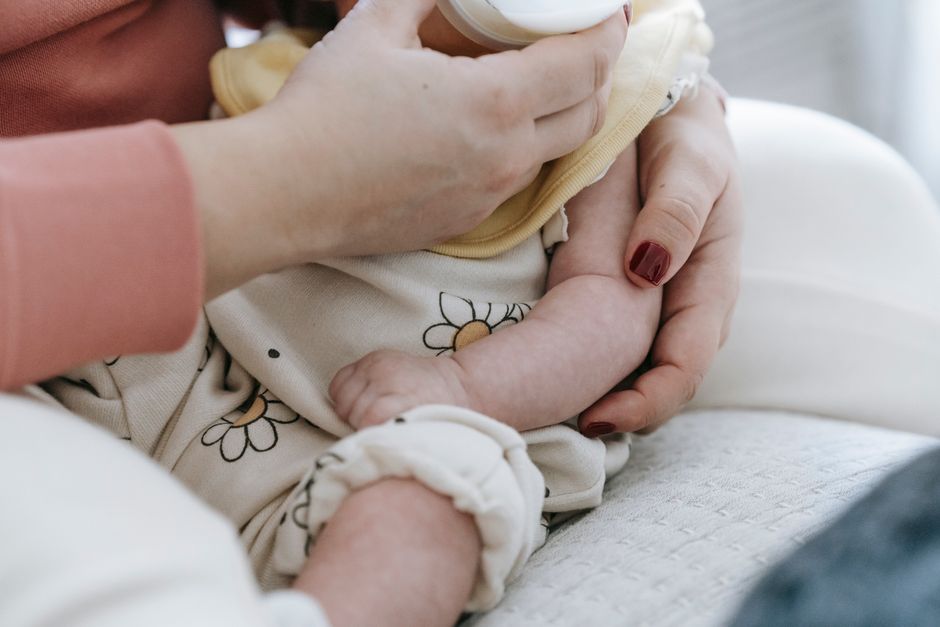
Register for 4 to 6 small bottles from one or two brands if you’re unsure of your feeding method. Leave room to add more after baby arrives, once you know which nipple shape baby takes. Start small and add more after testing, not before.
For formula feeding, a registry goal of 8 to 10 bottles total is practical: a starter set in 4 oz plus 2 to 4 bottles in 8 oz for later. For breastfeeding, 4 to 6 bottles on the registry covers pumped milk feeds. AAP feeding guidance at HealthyChildren.org is worth reading before you finalize your registry choices.
One often-overlooked registry detail: bottle brands update their designs, discontinue nipple versions, and change flow rates over time. Bottles stocked at widely available retailers are easier to replace locally. Boutique or specialty brands can be harder to source if you need a replacement nipple at two weeks postpartum.
Tip: Ask for gift receipts on any bottles you have not yet tested. If baby rejects the nipple shape, being able to exchange for a different brand in the first weeks is worth more than the brand itself.
What to Skip Until You Know Your Baby’s Feeding Needs
Skip large sets of specialty bottles until you know your baby needs them. Anti-colic systems, vented bottles, and angled designs solve specific problems, but most of those problems don’t appear until after birth, and some babies never have them. Another common gear regret is stocking up on a specialty type before knowing whether baby has gas or spit-up issues that would actually benefit from that design.
Brand-specific warmers, sterilizers, and accessories sized for one bottle shape carry the same risk. Once you commit to a bottle brand, those make sense. Before that, they add cost and clutter. A countertop sterilizer that fits most bottle sizes is a safer early buy than a system locked to one brand.
Bottle material affects cost and care: plastic, glass, and silicone are all common options at different price points. Cleveland Clinic’s overview of plastic bottle safety covers the key material considerations in plain language. Glass and silicone cost more per bottle, which is another reason to start with a small set before committing to one material or style.
Key Takeaways
- Formula-feeding families need 6 to 10 bottles; breastfeeding families can start with 3 to 4.
- Buy a starter set of 2 to 4 bottles from one or two brands before committing to a larger quantity.
- Start with 4 oz bottles for the newborn stage; move to 8 oz around 2 to 3 months.
- For a registry, plan for 4 to 6 bottles if feeding method is undecided, or 8 to 10 if you know you are formula feeding.
- Skip large sets of specialty or anti-colic bottles until you know your specific baby has a specific need for them.
- Test nipple acceptance in the first one to two weeks, then stock up on whichever brand your baby takes without fuss.
Formula-feeding families need 6 to 10 bottles once they know what works; breastfeeding families can stay at 3 to 4 unless pumping volume grows. Buy a small set matched to your feeding plan, test nipple acceptance in the first one to two weeks, then stock up on what your baby takes. Not overbuying before birth is the single biggest win. A quick test with a few bottles is what keeps you from ending up with a drawer full of bottles no one ever used.
Frequently Asked Questions
How many bottles does a newborn need?
Most newborns need 6 to 10 bottles if formula feeding, or 3 to 4 if breastfeeding and using bottles only for pumped milk. Start with a smaller set to test nipple acceptance, then add more once you know what your baby takes without fussing.
Do I need 4 oz bottles for a newborn?
Yes, 4 oz bottles are the right starting size for the newborn stage. Newborns take small feeds and the 4 oz size matches that well. You can move to 8 oz bottles around 2 to 3 months, when feeds get bigger and happen less often.
How many bottles should I buy if I’m breastfeeding?
Start with 3 to 4 bottles if you plan to breastfeed and only occasionally offer a bottle of pumped milk. If you pump regularly and feed pumped milk at multiple sessions daily, move up to 4 to 6 bottles so you’re not washing between every single feed.
How many bottles should I buy if I’m formula feeding?
Plan on 6 to 10 bottles for formula feeding. Every feed uses a bottle, so you need enough to get through a full day or overnight stretch without washing mid-cycle. Six bottles works if you wash twice daily; 8 to 10 gives more cushion when you wash once in the evening.
Should I buy bottles before the baby is born?
Yes, buy a small starter set before baby arrives. Two to four bottles from one or two brands you want to try is a smart pre-birth purchase. Hold off on buying a large set until you know your baby accepts that nipple shape, which you’ll learn in the first one to two weeks home.
This article is for informational purposes only and does not replace professional medical advice. Always consult your pediatrician about your child’s health.