The Short Answer
- Most one-baby households do well with 10 to 12 burp cloths as a starting stash.
- Daily laundry? You can manage with 6 to 8. Every-other-day laundry? Plan for 12 to 14.
- Reflux or heavy spit-up typically pushes the number to 16 or more.
- Registry defaults of 4 to 6 burp cloths are too low for most families; double that number when building your list.
- Keep 2 to 3 in the diaper bag and 1 to 2 in the car so you are always covered away from home.
For most households with one baby, 10 to 12 burp cloths is the right starting stash. That covers roughly two days of feedings with a little room for extra messes, and keeps clean cloths available while a load is running. New parents almost always wish they’d bought more. How many you actually need comes down to two things: how often you do laundry and how much your baby spits up.
How Many Burp Cloths You Actually Need
The practical starter number for a newborn household is 10 to 12 burp cloths. That covers roughly two days of average use before you need to run a load. Newborns feed 8 to 12 times a day, and while not every feeding ends in a big spit-up, you’ll realistically burn through 4 to 6 cloths on an average day between feedings, burping sessions, and the random dribble that catches you off guard.
Several buying guides land around this same number. Swaddlean’s guide puts the sweet spot at 8 to 14, with 10 to 14 as ideal for most parents. Gerber’s newborn checklist recommends 10 to 12 and notes that the 4 to 6 cloths often listed on registries fall short of what families actually use. A stash under 8 means doing laundry every single day just to keep up.
For twins, double the math. Havetwinsfirst, a resource for parents of multiples, puts the number at roughly 16 burp cloths for twins compared to about 10 for a single baby. Two babies means twice the feedings, and the cloths go fast.
How Many Burp Cloths You Need by Laundry Schedule
Your laundry routine drives the number more than anything else. Take your daily use, multiply by how many days between loads, and add a small buffer for the days when everything gets soaked at once.
| Laundry frequency | Average spitter | Heavy spitter or reflux |
|---|---|---|
| Daily | 6 to 8 | 10 to 12 |
| Every 2 to 3 days | 10 to 14 | 16 to 20 |
| Weekly | 18 to 24 | 24 or more |
If you’re doing laundry every day, 6 to 8 cloths is workable. Every other day, which is more realistic with a newborn in the house, puts you in the 10 to 14 range. Weekly laundry pushes the number toward 18 to 24. Parents who stretch to weekly often say they wish they’d stocked more before the baby came home.
Spit-up volume is the second factor. Some babies barely spit up; some soak a cloth at every feeding. You won’t know which you’ve got until the baby’s here, so start at 10 to 12 and adjust after the first two weeks once you see the real daily count. Don’t overbuy before then.
Tip: Do not stock up past 12 before the baby arrives. See how your baby feeds in the first two weeks, then add another pack if you are running low every day.
How Many Burp Cloths to Register For
Register for 10 to 12 burp cloths as your starting point. That range works for most households and guests can split it across one or two packs. If you do laundry every few days or just want some breathing room, list 14 to 16.
Registry defaults on most sites suggest 4 to 6 burp cloths. That’s not enough. Gerber’s own buying guide calls out this gap and recommends doubling it to reach 10 to 12. List only 4 to 6 and guests will buy exactly that many, leaving you running laundry twice a day in the first month just to keep clean cloths available.
Burp cloths are easy add-on gifts. They’re cheap, obviously useful, and guests are happy to grab them without overthinking it. Registering in sets of 4 or 6 keeps it simple. And listing 12 or more means you won’t be scrambling during the weeks when you have the least energy to deal with a shortage.
Tip: Register for burp cloths in more than one color or pattern so you can tell at a glance which ones are clean versus which got grabbed off the counter and already used.
How to Spread Burp Cloths Between Home, Diaper Bag, and Car
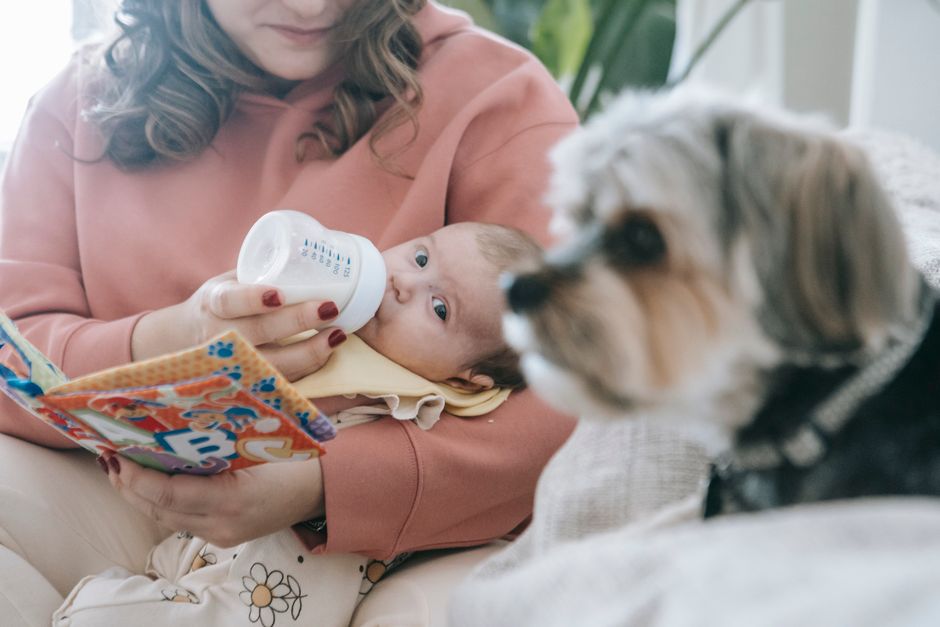
Spread your burp cloths across every location where you feed the baby. Having all 12 in the nursery means walking across the house with a wet baby on your shoulder every time you need one. That’s where most parents undercount.
A workable split for a 12 to 14 cloth stash: 6 to 8 near your main feeding spot, 2 to 3 in the living room or wherever you spend time, 2 to 3 in the diaper bag, and 1 to 2 in the car. That covers every spot without hauling cloths from room to room before each feeding.
The diaper bag number matters more than people expect. One cloth on a short errand can disappear the moment a feeding goes sideways. Two is the minimum; three is better for anything longer than a quick trip, or for babies who spit up consistently after every meal.
How Many Burp Cloths for Reflux or Heavy Spit-Up
Plan for 16 to 20 burp cloths at minimum if your baby has acid reflux or spits up heavily. Reflux babies often need a cloth on hand all the time, not just after feedings, and 10 to 12 won’t last two days. If your pediatrician has mentioned reflux, keep a small stash in every room you’re in during the day.
If your baby spits up a lot but hasn’t been diagnosed with reflux, count how many cloths you’re going through per day in the first two weeks. If it’s consistently more than 6 to 8, order another pack before you run out. Running down to your last two clean cloths on a Sunday night is a very common experience.
Parents on a weekly wash cycle are the other group that tends to undercount. Swaddlean’s buying guide notes that 20 or more cloths may make sense for heavy spitters on a weekly wash cycle. Seven days of heavy use with no mid-week wash adds up fast.
Burp Cloth Materials and Sizes: What Works and What to Skip
Thickness and size matter more than brand name. Thin, small decorative cloths look nice in a gift set and miss the mess entirely. A cloth that’s too narrow won’t cover your shoulder, and one that’s too thin soaks through in a single use. Look for an absorbent center layer rather than a single layer of cotton.
Muslin is popular because it’s lightweight and gets softer with every wash, but it starts out thin. If you go with muslin, look for a double-layer version, or mix in a few thicker terry cloths for the messier moments. Pehr’s guide suggests keeping both: lighter cloths for outings, thicker ones for home.
Skip novelty shapes and tiny sizes. A standard rectangular cloth in the 10 to 20 inch range covers a shoulder and catches what matters. Anything smaller will leave you with a wet shirt. Start with neutral or dark colors so spit-up stains aren’t as visible between washes.
Key Takeaways
- Start with 10 to 12 burp cloths for one baby; this covers most laundry schedules with a reasonable buffer.
- Daily laundry households can manage on 6 to 8; weekly laundry households may need 18 to 24.
- Registry defaults of 4 to 6 are too low; list at least 10 to 12, and up to 14 to 16 for weekly laundry households.
- Twins need roughly 16 burp cloths compared to about 10 for a single baby.
- Reflux or heavy spit-up typically pushes the stash to 16 to 20 cloths or more.
- Keep 2 to 3 in the diaper bag and 1 to 2 in the car so you are covered at every location.
Burp cloths are one of the cheapest items on a baby registry, and running short is one of the more annoying problems to solve at 3 a.m. The 10 to 12 range covers most families through the newborn stage without overdoing it. If you’re not sure whether your baby will be a light or heavy spitter, start there and reorder in the first couple of weeks if you’re burning through cloths faster than expected. The math is simple: daily use times laundry gap, plus a small buffer. Everything else is size and material.
By 4 to 6 months, spit-up usually slows as their digestive system catches up. The cloths that felt barely adequate at 6 weeks often start piling up unused by month 4. Buy what you need for the newborn stage and adjust early if you’re running short. The intense phase doesn’t last forever.
Frequently Asked Questions
How many burp cloths do I need for a newborn?
Most newborn households need 10 to 12 burp cloths as a starting point. That covers roughly two days of average use before laundry. If your baby turns out to be a heavy spitter, add another pack in the first two weeks once you see the real daily count.
Is 6 burp cloths enough for a baby?
Six burp cloths can work only if you do laundry every single day without fail, but it leaves almost no buffer. Most parents find 6 isn’t enough once newborn feeding frequency kicks in. Ten to 12 is more forgiving and takes the daily laundry pressure off.
Should I register for 10 or 12 burp cloths?
Register for 12 burp cloths if you want a comfortable buffer or plan on laundry every two to three days; 10 works if you wash more frequently. Either number is more realistic than the 4 to 6 many registries default to, and guests are happy to fill an easy, useful item.
How many burp cloths should I keep upstairs and downstairs?
Keep 6 to 8 burp cloths near your main feeding spot and 2 to 3 in secondary rooms. If you’re feeding upstairs at night and downstairs during the day, keep a small stash in both so you’re not hunting for a cloth mid-feeding with a baby on your shoulder.
How many burp cloths do I need if my baby spits up a lot?
Plan for 16 to 20 burp cloths if your baby is a heavy spitter or has reflux diagnosed by your pediatrician. That accounts for going through 6 to 8 cloths a day while still having clean ones between laundry loads without running out partway through the week.
This article is for informational purposes only and does not replace professional medical advice. Always consult your pediatrician about your child’s health.