
The Short Answer
- Divide pack price by diaper count to get your cost per diaper. That number is what to compare across brands and pack sizes.
- Pick up one small pack of any new brand and run a fit check over two or three days before committing to a full box or case.
- Store-brand diapers typically cost noticeably less than national brands and hold well for most daytime changes.
- Do not stockpile newborn size. One or two small packs before birth is enough; shift to size 1 as soon as baby gains weight.
- Bulk fragrance-free wipes, or a plain wet washcloth for light changes, cut per-wipe cost sharply compared to small-pack premium wipes.
Diaper costs in year one are predictable once you know which levers actually move them. This guide covers five practical areas: unit cost calculation, pre-birth purchase timing, brand and program options, low-cost wipe systems, and apparent bargains that backfire. Each section gives you a framework for deciding what to buy and when, not a brand recommendation, because the right call depends on your baby’s fit, your shopping routine, and what is actually on sale when you need to restock.
The cheapest diaper is the one with the lowest cost per usable change
Cost per diaper (CPD) is pack price divided by diaper count, and it’s the only number worth comparing across brands and pack sizes. A lower sticker price on the box doesn’t mean a lower cost per change. Larger packs almost always come out to a lower CPD than smaller convenience-store packs, but that math only pays off when the diapers actually fit and hold.
A diaper that leaks before it’s full raises your actual cost per change in two ways: you’re reaching for a second diaper early, and the soaked outfit that follows means a laundry run. A slightly pricier diaper that holds reliably will often beat a cheaper one that leaks half the time.
Fit is what makes any CPD number real. The waistband should sit snug at the belly without leaving a deep red mark, leg cuffs should lie flat against the thighs without gaps, and the back panel should reach the small of the back. If any of those checks fail, the printed CPD isn’t your actual cost.
| Diaper tier | Typical CPD | Best use case | Main tradeoff |
|---|---|---|---|
| Store-brand disposable | Typically lowest | Daytime changes and high-volume buying | Fit varies by brand; test a small pack before going large |
| National-brand disposable | Mid-range | Night changes or sensitive skin | Higher per-unit cost accumulates over months |
| Premium disposable | Typically highest | Difficult fits or long overnight stretches | Cost scales quickly with usage frequency |
| Cloth diaper | High upfront, low ongoing | Committed households with steady laundry routines | Startup cost, laundry time, water, and detergent |
Buy fewer newborn diapers before birth and test before scaling up
Buy only one or two small packs of newborn-size diapers before birth. A lot of babies arrive at or above the upper weight limit for newborn size, and nearly all move out of it within a few weeks. A big pre-birth stockpile is a real way to end up with diapers you can’t use. Put the rest of your initial purchase in size 1.
Use the first days after birth to figure out what actually fits, rather than automatically reordering whatever was on the registry. That’s the one step worth doing before you buy in volume.
It’s a simple check: run the small pack through naps, night changes, and a few active daytime stretches. Watch for leg-gap leaks, waistband blowouts, and skin redness at the elastic lines. Two or three days of clean results and you can confidently order a larger box in whatever size your baby is in now.
Tip: Register for two or three diaper brands in small pack sizes rather than a large quantity of one brand. Fit is not predictable before birth, and variety costs nothing extra on a registry.
Store brands, subscriptions, rewards, and sales: what actually saves
Store-brand and warehouse-club diapers typically cost noticeably less than national brands and hold up comparably for everyday changes. Where you buy and how you buy are really the two things that move the number. A practical approach: store-brand during the day when you’re changing often, and a national or premium option only overnight when a longer hold matters.
Subscriptions lower the per-pack price at many retailers, but only if the discounted unit price actually beats what you’d pay buying the same count on sale. Do the math before signing up. An auto-ship at full list price during a sale week isn’t a deal. Subscriptions worth keeping let you pause or skip shipments so you’re not stuck paying full price when a better window comes along.
The combination that compounds savings most consistently: a brand’s loyalty points stacked with a subscription discount, timed to a sitewide sale. Before any case-size purchase, check the CPSC child safety database. It takes a minute and confirms there are no active recalls on what you’re buying.
Tip: Verify your retailer’s return policy before buying a full case. Many large retailers accept unopened diaper boxes, which protects you if your baby jumps a size before the case is finished.
Wipes: disposable, reusable, and the low-cost hybrid approach
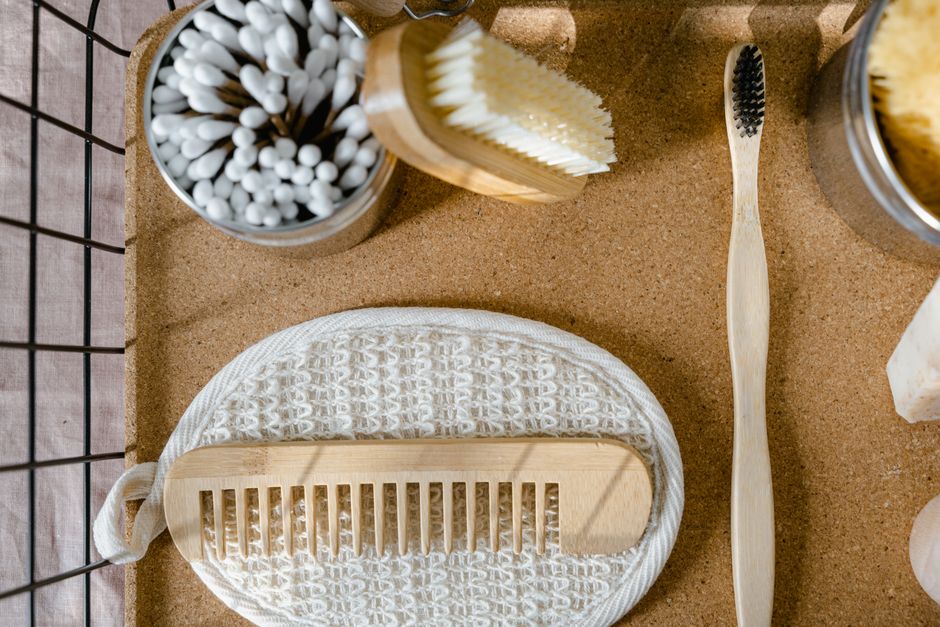
Cost per wipe (CPW) is pack price divided by wipe count, the same math as CPD for diapers. A bulk store-brand pack typically runs a much lower CPW than a small pack of a premium brand. The per-wipe gap looks small, but newborns go through a lot of changes each day and it adds up fast.
Reusable cloth wipes have a low purchase price, but the ongoing cost includes water, detergent, dryer energy, and the time to wash and fold them. Families already running daily baby laundry find the added cost minimal and the savings real. But if laundry is already a time crunch, that extra load can eat the financial benefit.
A hybrid approach cuts per-change cost for most families: bulk store-brand disposables for blowouts and messier changes, and a plain wet washcloth or pre-dampened cloth for light wet changes and face wipes. That split keeps cost low and still reserves disposables for when they’re actually needed.
The AAP diaper care page notes that gentle cleaning and prompt changing matter more for skin health than any specific product brand or tier. Fragrance-free wipes are a reasonable default at any price point.
| Wipe type | Cost tier | Best use | Main tradeoff |
|---|---|---|---|
| Store-brand bulk disposable | Lowest per wipe | All diaper changes | Some brands have a thinner texture |
| National-brand single pack | Higher per wipe | Travel or away-from-home changes | Per-wipe cost adds up fast at home |
| Reusable cloth wipe | Lowest long-term if used consistently | Light wet changes and face wipes | Laundry overhead; less practical for blowouts |
| Plain water and washcloth | Near-zero per use | Light wet changes and face wipes | Not practical for heavy soil changes |
What to skip so saving money does not create leaks or skin trouble
Avoid diapers with thin back panels or loose elastic, even when the CPD looks low. One blowout that requires a full outfit change can cancel a day of savings. And consistently poor containment means you’re going through more diapers per day than a better-fitting brand would need, which quietly pushes your monthly cost up.
Fragranced wipes are a common source of diaper-area irritation in newborns. The MedlinePlus diaper rash guide from the U.S. National Library of Medicine lists keeping the area clean and dry as the primary prevention step. If irritation develops and doesn’t clear quickly, ask your pediatrician rather than working through different wipe brands on your own.
The CDC diapering hygiene guidelines recommend changing diapers promptly and washing hands before and after each change to reduce germ spread. A well-fitting, absorbent diaper that keeps a baby comfortable longer between checks means fewer unnecessary changes and fewer diapers per day, which is real money over a month.
Key Takeaways
- Calculate cost per diaper (CPD) and cost per wipe (CPW) before every bulk purchase; include shipping and membership fees in the total.
- Run a small-pack fit check over two or three days before ordering a full case of any brand or size.
- Limit newborn-size purchases to one or two small packs before birth, then follow your baby’s actual weight as the guide.
- Store-brand disposables and bulk fragrance-free wipes typically deliver the lowest per-unit cost for everyday changes.
- A hybrid wipe approach, disposables for heavy soil and a wet cloth for light changes, lowers per-change cost with minimal trade-offs.
- Skip fragranced wipes and thin-paneled diapers; the downstream leak and skin costs tend to cancel the per-unit savings.
A low-cost diaper and wipe routine runs on unit economics, not brand loyalty. Calculate CPD and CPW before committing to volume, run a two-to-three-day fit check on any new brand, and skip the newborn-size stockpile. Store brands and bulk fragrance-free wipes handle most changes at a lower cost. Keep a premium option for overnight stretches or specific fit problems that actually need it. Stack loyalty rewards with subscription discounts and sale timing, check retailer return policies before large purchases, and the math holds across every size change in the first year.
Frequently Asked Questions
What is the cheapest way to buy diapers without ending up with a pile that do not fit?
Run a small pack through two or three days of normal changes, including naps and overnight stretches, before ordering a full case. Check for leg-gap leaks, waistband marks, and blowouts. Once a brand passes those checks, buying in bulk at a warehouse or subscription price makes sense.
Are store-brand diapers worth buying for a newborn?
For many babies, yes. Store-brand diapers from major retailers and warehouse clubs typically cost less than national brands and hold up comparably for daytime use. A small-pack trial is the right first step. If the brand makes it through naps and active periods without gaps or marks, go ahead and order the bigger box.
How can I compare diaper and wipe prices fairly?
Divide pack price by diaper count for cost per diaper (CPD), and pack price by wipe count for cost per wipe (CPW). Include delivery fees and warehouse membership costs before comparing any two options. The lower number after all fees is the real comparison, not the sticker price on the box.
Is using reusable cloth wipes actually cheaper than disposable wipes?
It depends on your household laundry habits. Cloth wipes have a low purchase price, but each use adds washing and drying costs. Families already running daily baby laundry find the added cost minimal. If laundry is already a genuine time barrier, bulk store-brand disposables are often cheaper in practice.
How can I save on diapers without causing leaks or diaper-area irritation?
Choose fragrance-free wipes and a diaper brand with secure leg cuffs and a reliable back panel. The AAP diaper rash page recommends prompt changing and gentle cleaning as the main skin-care steps. A diaper that triggers daily outfit changes will cost more overall, even at a lower per-unit price.
This article is for informational purposes only and does not replace professional medical advice. Always consult your pediatrician about your child’s health.