The Short Answer
- Diapers: pack 3 to 4 for a one-hour outing, 4 to 6 for two to four hours, and 6 to 8 for a half-day, using one diaper per two hours plus two extras as the base formula.
- A permanent core of cleanup supplies stays packed between every outing; three items get added fresh before you leave each time.
- Breastfeeding parents pack nursing pads, water, and a snack; formula-feeding parents pack clean bottles, formula, and water for mixing.
- One spare outfit handles most outings up to two hours; pack two for anything longer.
- Baby toys, solid food gear, and full-size toiletries have no practical role on a newborn outing and add unnecessary weight.
Packing a newborn diaper bag is more straightforward than it looks once you have a reliable formula for diapers and a short list of what earns its weight. This guide covers the diaper count formula by trip length, which feeding supplies match your method, what stays packed permanently versus what gets added fresh before each trip, and which popular items belong at home instead. A final section tracks how the kit shifts from month one to month twelve.
How many diapers to pack for a newborn: the trip-length formula
The diaper count formula is one diaper per two hours away, plus two extras as a buffer. So a one-hour errand calls for 3 to 4, a two-to-four-hour outing calls for 4 to 6, and a half-day out calls for 6 to 8.
The two-extra buffer matters because a blowout can use two diapers in a single change: one soiled during cleanup, one soiled immediately after. Many newborns go through diapers quickly in the early weeks, so the buffer closes the gap between an average outing and a rough one. The AAP’s diapering guidance stresses having supplies within reach at every change, which is exactly the spirit behind packing extras rather than cutting it close.
The very first outing tends to be the least predictable in timing. What you plan as a 45-minute errand can stretch into two hours once you factor in feeding, a fussy spell in the car, or a longer-than-expected stop. Packing toward the higher end of the range for your planned trip length covers most of those extensions without much added weight.
The table below pairs the diaper count with outfit and burp cloth quantities for each trip length. Treat these as starting points and adjust upward during the first few weeks when diaper frequency is highest.
| Trip length | Diapers | Spare outfits | Burp cloths | Main risk if underpacked |
|---|---|---|---|---|
| 1 hour | 3 to 4 | 1 | 1 to 2 | One blowout exhausts the supply |
| 2 to 4 hours | 4 to 6 | 1 to 2 | 2 to 3 | Back-to-back feeds add spit-up events |
| Half day (4 to 6 hours) | 6 to 8 | 2 | 3 to 4 | Running short before you can restock |
What goes in the diaper bag change-and-cleanup kit
Six categories make up the newborn change-and-cleanup kit beyond diapers and clothing: a foldable changing pad, travel wipes, disposal or wet bags, barrier ointment, a hand-cleaning option, and burp cloths. All of them pack small, and together they cover what a newborn change requires away from home.
A foldable changing pad is worth carrying even when a changing table is available. Public surfaces vary in cleanliness and stability, and the Mayo Clinic’s diapering guidance recommends a clean, protected surface for every change. It handles that job and wipes clean in seconds. Travel-size wipe packs are easier to access one-handed than digging into a full tub; bring two for any trip over two hours.
Disposal bags or a zippered wet bag hold soiled diapers and clothing until you find a trash can. Barrier ointment in a small travel container is worth adding if you use it at home. A hand-cleaning option, wipes or a small sanitizer bottle, finishes the routine after every change without taking up much space.
Tip: Pack one parent shirt in the bottom of the bag. Spit-up and blowout spray reach whoever is holding the baby just as often as they land on the baby, and finding a replacement shirt at a coffee shop is harder than packing one at home.
Feeding supplies: breastfeeding, expressed milk, formula, and combination feeding
Feeding supplies depend entirely on how the baby eats. Breastfeeding parents need nursing pads, water, and a snack; formula-feeding parents need clean bottles, pre-measured powder or sealed ready-to-feed formula, and water for mixing. Packing the wrong supplies adds dead weight; packing too few means scrambling at the moment you least want to be searching.
For breastfeeding parents, the baby’s food travels with you by default. The practical additions are nursing pads for leaks on longer outings, a water bottle and a snack for the parent, and a cover only if you prefer one. If you plan to bring a pumped bottle, the CDC’s breastfeeding resource has current guidance on safe expressed-milk handling and transport, worth reading before your first outing with pumped milk.
For formula-feeding parents, the kit includes clean bottles, pre-measured powder or sealed ready-to-feed, and any water needed for mixing. The CDC’s formula guidance covers safe preparation and storage conditions; reading it once before the first outing is time well spent. Pack one backup feed beyond what you expect to use and keep the bag away from direct heat in transit.
For combination-feeding parents, the formula or expressed-milk side of the kit drives the packing decisions. Bring enough for the planned bottle feeds plus one backup; the breastfed sessions take care of themselves without extra gear.
Tip: Label pumped bottles with the date before packing. A quick check when the baby gets hungry tells you which bottle to use first without any guessing at the bottom of the bag.
What stays in the bag permanently and what gets packed fresh
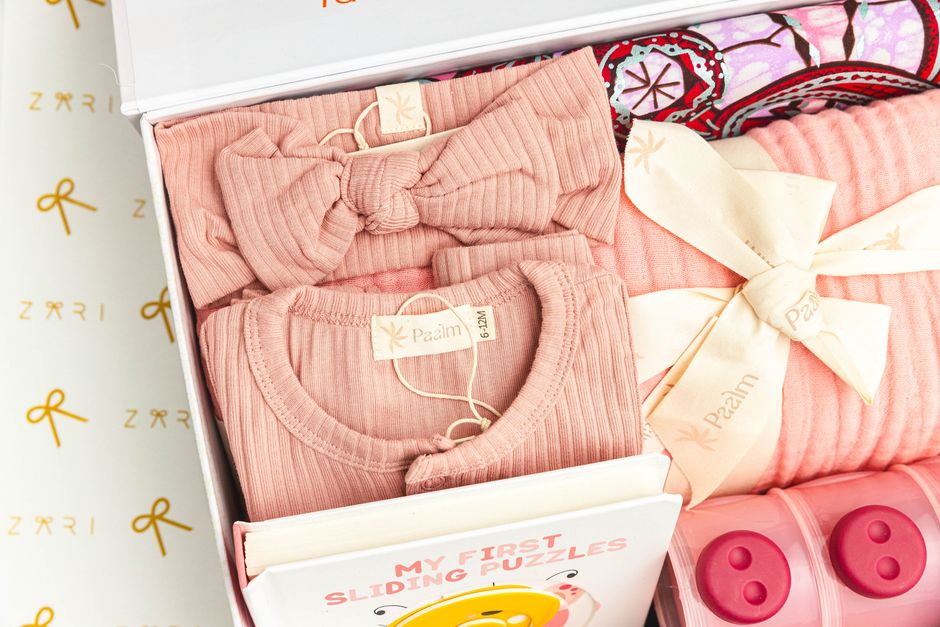
The permanent bag core stays packed between every outing without daily refreshing: changing pad, travel wipes, disposal bags, ointment, hand cleaner, at least one burp cloth, and one complete emergency outfit in the next size up from what the baby is currently wearing. Three things get refreshed before you leave, and knowing that difference keeps you from rebuilding the bag from scratch every trip.
None of those items need refrigeration, so they stay put between trips without any waste.
The before-you-leave refresh has three parts: diapers counted to the trip length, feeding supplies (bottles, powder, or pumped milk with its insulated carrier), and the parent water bottle. Running through that list before you walk out takes under two minutes and beats the longer mental scan that leaves something critical behind.
Tip: Keep a sealed snack pack in a permanent side pocket of the bag. A breastfeeding parent or anyone who skipped breakfast will be glad it is already there during a 20-minute feed away from home.
What to skip on a newborn first outing
In the first 3 months, toys, solid food gear, and full-size toiletries add weight without earning their place on any outing. Several items that appear on popular checklists add real weight without much payoff, and leaving them at home makes the bag lighter and faster to use.
Full-size wipes, ointment, and soap are the easiest culprits for a bag that feels too heavy before you reach the car. Travel versions do the same job at a fraction of the weight. Baby toys and rattles aren’t necessary in the newborn window; a very young baby is more settled by feeding, holding, and gentle motion than by objects to grasp.
A light blanket can be useful for temperature comfort while the baby is held and awake. Don’t use it as a sleep covering, though. The AAP’s safe-sleep guidance is clear that loose bedding should not cover a sleeping infant. If the baby dozes in a carrier or stroller during the outing, keep the blanket away from the face.
Solid food bibs, spoons, and pouches belong in the bag only after solids begin, typically around 6 months. Adding them earlier means sorting through irrelevant items at exactly the moment you don’t want to be searching.
How the diaper bag evolves from newborn to 12 months
The newborn kit is the most supply-heavy version of the bag you will carry. It lightens between months 3 and 6 as feeds space out, shifts again around month 6 when teethers earn a place, and adds solid food gear from month 9 onward as many babies transition to roughly 4 to 6 diaper changes per day.
During months 1 through 3, the kit described in this guide covers most outings. Between months 3 and 6, many babies begin spacing out feeds and produce fewer diapers in a given window. You may be able to trim one or two diapers from a short-trip count without risk, and the burp cloth supply can thin as spit-up tapers off.
Between months 6 and 9, a small teether or cloth book earns its place because babies at this stage actively look for objects to hold and mouth. A bib moves into the permanent core around this time even before solids start, since drooling increases and feeding in public gets messier. A sun hat is a practical add-on for outdoor outings in warm weather.
From month 9 through month 12, solid food gear joins the bag when it is actually in use: a bib rated for solids, a soft-tip spoon, and a small sealed container for snacks. Diaper counts typically drop further as many babies transition to roughly 4 to 6 changes per day. The bag is lighter by the one-year mark but more varied in what it carries.
Key Takeaways
- Pack one diaper per two hours away plus two extras as a buffer; that puts a one-hour outing at 3 to 4 and a half-day at 6 to 8.
- The permanent core – changing pad, travel wipes, disposal bags, ointment, hand cleaner, burp cloth, and one emergency outfit – lives in the bag between every trip without needing a refresh.
- Three items get added fresh before each outing: diapers counted to the trip length, feeding supplies, and the parent water bottle.
- Breastfeeding parents add nursing pads, water, and a snack; formula-feeding parents add bottles and formula with CDC-guided safe handling.
- Toys, solid food gear, and full-size toiletries are unnecessary weight on a newborn outing; leave them at home.
- The bag lightens between months 3 and 6 as feeds space out, then shifts again around month 6 when teethers and eventually solids gear join the kit.
A practical newborn diaper bag doesn’t need to be heavy or complicated. The trip-length formula takes the guesswork out of diapers, and keeping a permanent core in place means the bag is ready before you are. The skip list cuts the weight and the time spent rummaging mid-change. Most parents settle into their own version of this within a few outings and stop thinking about it after that. Start with the quantities in the table, adjust after the first couple of trips, and the rest works itself out.
Frequently Asked Questions
How many diapers should I pack for a newborn’s first outing?
For a trip under one hour, 3 to 4 diapers is a good place to start. A 2 to 4 hour outing calls for 4 to 6, and a half-day calls for 6 to 8. Newborns go through diapers quickly in the first weeks, so when you’re unsure, lean toward the higher end of the range.
What should I pack in a diaper bag if I am breastfeeding?
The baby’s food travels with you by default, so focus on the parent side of the kit: nursing pads for leaks, a water bottle, and a snack. A cover is optional. If you plan to bring expressed milk, review the CDC’s current breastfeeding guidance for safe transport and handling steps before you leave.
What should I pack in a diaper bag if I am formula-feeding?
Bring clean bottles, pre-measured powder or sealed ready-to-feed formula, and water for mixing if needed. Check the CDC’s formula handling guidelines for current safe preparation steps before the first outing. Pack one backup feed beyond what you plan to use and keep the bag away from direct heat.
How many changes of clothes does a newborn need in the diaper bag?
One spare outfit handles most outings of an hour or two. A second is the smarter call for anything past two hours or when the baby has had a run of blowouts recently. Storing an emergency outfit in the permanent bag core means it’s always there whether you remember to pack it or not.
What can I leave out of a newborn diaper bag?
Baby toys aren’t needed before month 3 or so. Bibs and spoons for solids can wait until around 6 months when solids actually begin. Swapping full-size toiletries for travel versions cuts weight without cutting function. Two spare outfits is plenty for most newborn outings; anything beyond that just adds bulk.
This article is for informational purposes only and does not replace professional medical advice. Always consult your pediatrician about your child’s health.