The Short Answer
- Most babies do fine without these 17 items, and skipping them typically saves several hundred dollars in the first year.
- Crib bumpers and padded bedding sets are both unnecessary and unsafe. The AAP recommends a firm mattress with a fitted sheet only.
- A dresser with a clip-on changing pad replaces a changing table. A regular lidded trash can replaces a diaper pail. A standard blender replaces a baby food maker.
- Delay swings, bouncers, high chairs, and bottle sets until you know your baby’s preferences. Buying multiples upfront is one of the most common sources of registry regret.
- Baby clothes, swings, bouncers, and toys are generally fine secondhand. Crib mattresses and sleep-surface products are best purchased new.
New parents can skip 17 common baby products and save several hundred dollars in the first year without giving up anything essential. Core newborn care covers safe sleep, feeding, diapering, bathing, and comfort. Everything beyond that is optional at best and a safety concern at worst. Each product below comes up repeatedly as a purchase parents wish they had skipped, with its typical price range and a practical swap.
Why Most Baby Products Go Unused After the First Month
Most unused baby products arrive before parents know what their baby will actually prefer. Registry culture pushes long lists, shower gifts pile up, and the “just in case” instinct is hard to fight off when you’re about to be responsible for a person who can’t tell you what they want. The result is a nursery full of things that get used twice.
The products that go unused most often have something in common: they do one very narrow job, take up real space, and solve a problem you already have a workaround for at home. A wipe warmer warms wipes. A bottle sterilizer sterilizes bottles. A diaper cream applicator applies diaper cream. None of them need a dedicated device.
Buying before you know your baby’s preferences is another trap. Many families end up with two or three swings or bouncers because baby hated the first, tolerated the second, and by then had spent real money on seats that mostly gathered dust. The same plays out with bottles, pacifiers, and high chairs. Start with one. Add more only if it isn’t working.
Nursery decor is where marketing and pediatric guidance part ways most visibly. AAP crib safety guidance is unambiguous: a firm mattress and a fitted sheet belong in the crib, and nothing else. Bumpers, quilts, and coordinated bedding sets sold as nursery essentials are products the AAP and Mayo Clinic both advise against because of suffocation and entrapment risks.
Registry Reality Check: 17 Baby Products Worth Skipping
The 17 products below are the most consistently skippable purchases, with typical retail price ranges to show how quickly costs add up.
| Product | Typical Price Range | Why to Skip |
|---|---|---|
| Wipe warmer | $20 to $60 | Dries wipes out over time; one narrow job |
| Diaper pail | $50 to $150 | Proprietary refill bags add up; a lidded trash can does the same |
| Crib bumpers and padded bedding | $100 to $300 | Not recommended by AAP or Mayo Clinic due to safety risks |
| Baby shoes (pre-walker) | $20 to $50 per pair | Babies do not need shoes until they are walking |
| Dedicated baby food maker | $40 to $150 | A regular blender or fork handles the same job |
| Standalone changing table | $150 to $400 | Single-use furniture outgrown fast; dresser plus pad works |
| Bottle sterilizer | $30 to $100 | Hot soapy water and air drying is the baseline method |
| Bottle warmer | $25 to $60 | A cup of warm water does it without a device |
| Diaper cream applicator tool | $10 to $20 | Your finger works; no dedicated tool needed |
| Multiple swings or bouncers at once | $80 to $200 each | Buy one; your baby may not take to any of them |
| Bath thermometer | $10 to $30 | Your wrist or elbow reads water temperature reliably |
| Shopping cart seat cover | $20 to $50 | Bulky to carry and rarely used past the first few months |
| Premium high chair (before 6 months) | $150 to $400 | Baby cannot use it yet; preferences often change |
| Baby-specific laundry detergent | $15 to $30 per bottle | Fragrance-free regular detergent works for most babies |
| Large stuffed animals | $20 to $100 each | Clutter; unsafe in the crib per safe sleep guidelines |
| Elaborate nursery decor sets | $50 to $300 | Baby cannot appreciate themes; budget better spent elsewhere |
| Duplicate gadgets (second monitor, second sound machine) | Varies | One of each covers most home setups without redundancy |
The three biggest budget drains on this list are standalone changing tables, crib bedding sets, and premium high chairs bought before baby can even sit up. Together those three categories can easily exceed $700 before the baby arrives. Swapping a changing table for a dresser-plus-pad alone saves $150 or more and gives you furniture that’s still useful at age five.
What to Use Instead: Simple Swaps That Work
For most items on this list, the swap is something you already own or a smarter version of the same purchase.
Skip the standalone changing table and put a clip-on or secured changing pad on top of a dresser. The dresser holds clothes now and holds anything else later, so you’re not buying furniture with a two-year ceiling. For diaper disposal, a regular lidded trash can with standard kitchen bags works fine if you empty it every day or two. The smell difference is about frequency, not the container.
For solid food, the CDC explains that babies transition gradually to solid foods around 6 months and can eat family foods prepared to an appropriate texture. A regular blender, a food processor, or a fork handles pureed fruits and vegetables without a dedicated machine taking up counter space. Bottle sterilization is simpler than it sounds: hot soapy water and air drying is all it takes. If you want more confidence, a pot of boiling water does the same job a $60 sterilizer does.
Bottle warmers are easy to skip: a cup or small bowl of warm water does the same job. Set the bottle in it for a few minutes. Same result, no counter space required. Wipe warmers sound handy but frequently dry out wipes at the edges and need regular water refills. Room-temperature wipes are fine for almost every baby. The rare newborn who reacts to the temperature typically adjusts within a few weeks.
Tip: Before adding any single-purpose gadget to your registry, ask yourself: does this do exactly one thing, and do I already have something at home that does it? If both answers are yes, skip it.
Secondhand Strategy: What to Borrow, Buy Used, or Delay
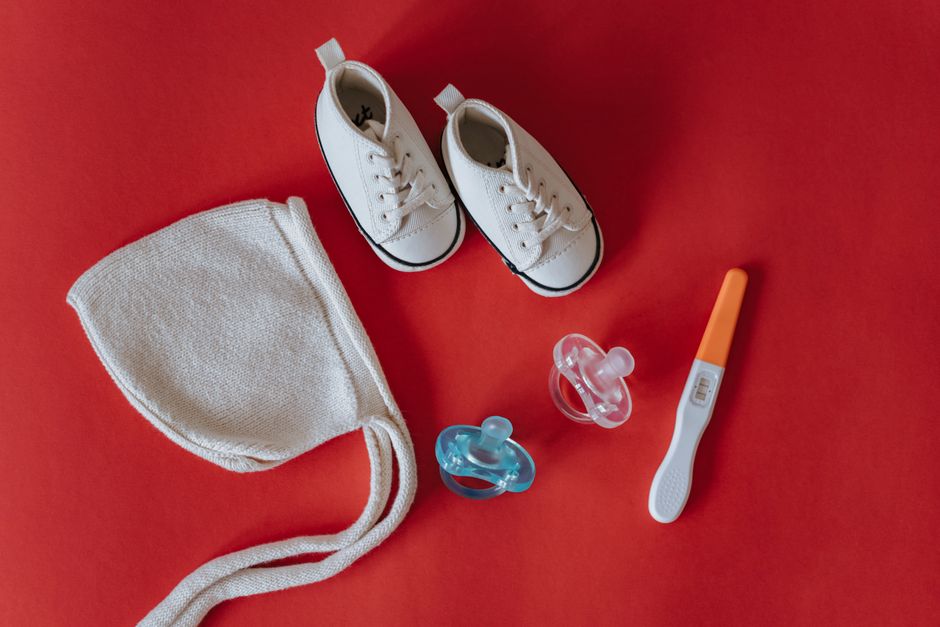
Baby clothes, swings, bouncers, activity gyms, toys, and books are safe secondhand purchases across the board. Newborns outgrow clothing sizes in weeks, and most of these items get passed along after just a few months of use. The secondhand market for baby gear is large and fast-moving.
High chairs and strollers in solid structural condition, with no visible damage or missing hardware, are generally reasonable secondhand purchases. Before buying any used gear, check the specific model against the CPSC recall database, which is free and searchable by product name or model number. A recall check takes two minutes and matters most for items with mechanical parts, straps, or anything involving sleep.
The main category to buy new is the sleep surface. Crib mattresses should be purchased new because you can’t verify the condition of the foam or springs inside, and firmness matters for safe sleep. Any product that goes directly in the crib or sleep space is worth buying new. That category is narrow, but it’s non-negotiable.
Delaying purchases is often more valuable than skipping them outright. You don’t need a high chair before the baby is born, and you don’t need six bottle styles on day one. Waiting two to three months before buying anything your baby needs to actively participate in, such as solid food tools, high chairs, or sippy cups, lets you buy for your actual baby instead of buying to experiment. Many parents find that waiting until month four or five to buy a swing saves them from buying the wrong one entirely.
Tip: Borrow a swing or bouncer from a friend before buying one. If your baby loves it, you’ll know which style to get. If they hate it, you saved $100 to $200.
What Pediatricians Actually Say Newborns Need
The AAP’s safe sleep framework includes room-sharing without bed-sharing for at least the first six months. That guidance specifies where the baby sleeps relative to a caregiver, not which monitoring products or sound machines surround the sleep space. A firm mattress, a fitted sheet, and proximity to a caregiver are what the guidance covers. None of the items on the skip list address that specification, because none of them belong on a safe sleep checklist to begin with.
None of this means the first year needs to feel bare. The things that genuinely matter, a safe sleep surface, reliable feeding supplies, a workable changing setup, and basic bathing gear, are achievable without a room full of single-purpose devices that will be outgrown or ignored by month four. The simpler setup is often the better one.
Key Takeaways
- Skipping the 17 products on this list can save several hundred dollars in the first year, with changing tables, crib bedding sets, and premium high chairs among the biggest line items.
- The AAP and Mayo Clinic both advise against crib bumpers and padded bedding. A firm mattress and a single fitted sheet are all that belongs in the crib.
- A dresser with a changing pad, a regular lidded trash can, and a standard blender replace three common single-use purchases at a fraction of the cost.
- Delay buying swings, bouncers, high chairs, and bottle sets until you know your baby’s preferences. Buying multiples upfront before month two is one of the top sources of registry regret.
- Baby clothes, swings, bouncers, toys, and books are generally fine secondhand. Buy crib mattresses and sleep-surface products new every time.
- Check any secondhand gear against the CPSC recall database before buying. The search is free and takes under two minutes.
The 17 products on this list follow a pattern: single-purpose, space-consuming, easily replaced by something you already own, or actively not recommended by pediatric authorities. Registry lists often run 60 or 80 items, but most are conveniences that will sit in a cabinet after the first month. Knowing which items to skip means fewer returns, more room in the budget, and a nursery that stays manageable. Start with what you actually need and add from there. Your four-month-old self will be glad you did.
Frequently Asked Questions
- Which baby products are the biggest waste of money in the first year?
- Standalone changing tables, crib bumpers and padded bedding sets, dedicated baby food makers, wipe warmers, and multiple swings or bouncers bought before knowing a baby’s preferences are among the most consistently unused purchases. Each costs real money for a job a cheaper alternative handles just as well.
- Are wipe warmers and bottle sterilizers really necessary for newborns?
- No. Wipe warmers often dry out wipes over time and need regular water refills. Bottle sterilizers can be replaced by hot soapy water and air drying, or a quick boil. Both are sold as conveniences, but most parents who buy them stop using them within weeks of bringing the baby home.
- What can I use instead of a changing table or diaper pail?
- A dresser with a clip-on or secured changing pad replaces a standalone changing table and stays useful long after the diaper stage. A regular lidded trash can with standard kitchen bags, emptied frequently, handles diaper disposal without the proprietary refill costs that dedicated diaper pails require.
- How much money do new parents typically waste on unused baby items?
- There is no single published figure, but the pattern is consistent. Single-purpose gadgets, duplicate baby seats, and full crib bedding sets are the most common culprits. Changing tables, padded bedding, and premium high chairs bought before 6 months are the three biggest line items. Trimming those categories addresses most of the waste before the registry is even submitted.
- Which baby items are okay to buy secondhand or borrow instead of buying new?
- Baby clothing, swings, bouncers, high chairs in good condition, toys, and books are generally fine secondhand. Check any used gear against the CPSC recall database before buying. Crib mattresses and sleep-surface products should be purchased new since interior condition and firmness can’t be verified from the outside.
This article is for informational purposes only and does not replace professional medical advice. Always consult your pediatrician about your child’s health.